
Why 7-Hydroxymitragynine Matters
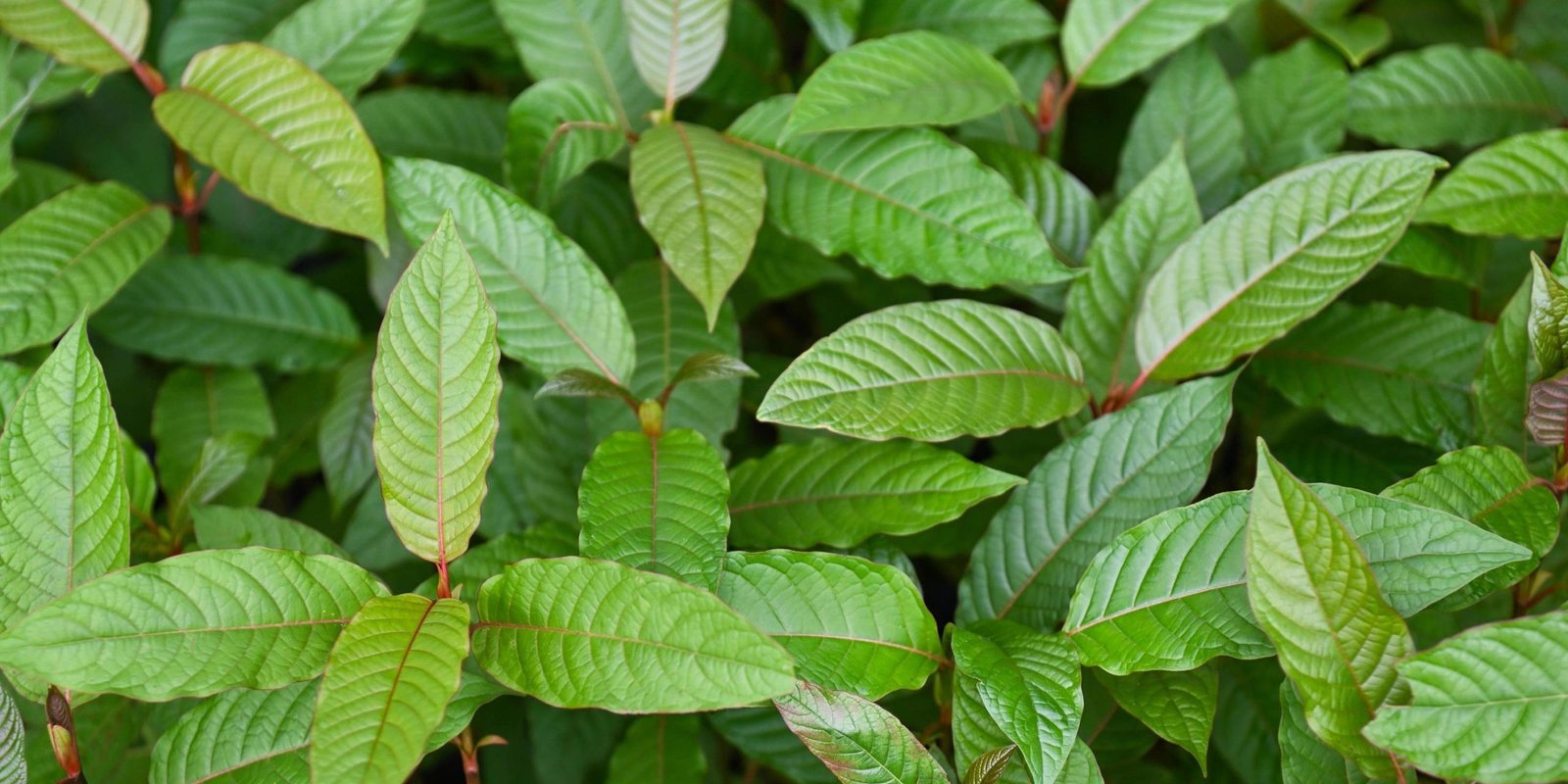
Over the last decade, the kratom plant (Mitragyna speciosa) has moved from a little-known Southeast Asian herb to a globally recognized botanical, studied by scientists, embraced by wellness communities, and debated by regulators. Among the dozens of alkaloids found in kratom, 7-Hydroxymitragynine (often shortened to 7-OH) stands out as one of the most fascinating and controversial.
While Mitragynine makes up the majority of alkaloids in kratom, 7-Hydroxymitragynine is far more potent despite being present only in trace amounts. This unique balance—abundance versus potency—has made it a subject of great interest in pharmacological research and the nutraceutical industry.
This comprehensive guide will cover everything you need to know about 7-Hydroxymitragynine: its origins, chemistry, extraction methods, potential benefits, applications, safety considerations, legal status, and future role in science and manufacturing. Whether you are a researcher, wellness entrepreneur, or curious consumer, this article provides a deep dive into one of nature’s most remarkable plant compounds.
What is 7-Hydroxymitragynine?
7-Hydroxymitragynine is a naturally occurring indole alkaloid found in the leaves of the kratom tree. It is chemically related to Mitragynine but differs in potency, receptor activity, and overall impact.
- Concentration: Less than 2% of kratom’s total alkaloid content.
- Potency: Considered up to 10 times stronger than Mitragynine in some receptor-binding studies.
- Classification: Falls under the same alkaloid family as Mitragynine, but acts more selectively at certain receptors.
This disproportionate potency has sparked debate and scientific curiosity. While Mitragynine drives most of kratom’s effects due to sheer abundance, 7-OH is believed to amplify certain experiences even at low levels.
Origins of 7-Hydroxymitragynine
The kratom tree is native to Thailand, Indonesia, Malaysia, Myanmar, and Papua New Guinea, where it has been used traditionally for centuries. Farmers and laborers chewed fresh leaves or brewed teas to help with stamina, relaxation, and community rituals.
Unlike Mitragynine, which is abundant in the leaves, 7-Hydroxymitragynine occurs in very small concentrations. What makes it particularly interesting is that it also forms as a metabolite of Mitragynine. When Mitragynine is ingested, the body can naturally convert some of it into 7-OH, which may explain the varying effects users report.
Traditional Use and Discovery
- Local communities never isolated 7-OH directly but experienced its effects through kratom use.
- Modern science began identifying and quantifying 7-OH in the late 20th century.
- Global trade in the 21st century brought 7-OH into focus as researchers sought to understand kratom’s full alkaloid profile.
This dual role—as both a naturally present alkaloid and a metabolic byproduct—makes 7-OH one of the most unique compounds in the kratom family.
Chemistry and Pharmacology of 7-Hydroxymitragynine
From a chemical perspective, 7-Hydroxymitragynine belongs to the indole alkaloid class. Its molecular structure allows it to interact with certain receptors in the human body in ways that distinguish it from Mitragynine.
Key Characteristics
- Chemical Formula: C23H30N2O4
- Structure: Closely related to Mitragynine but with added oxygen molecules, giving it a different binding affinity.
- Receptor Activity: Known for strong interactions with μ-opioid receptors, although it is not classified as a traditional opioid.
How It Works in the Body
When consumed, 7-OH interacts with the body’s natural receptor systems. This leads to reported effects that are stronger and more pronounced compared to Mitragynine. Researchers are still studying the exact pathways, but findings suggest it may act selectively, which contributes to its potency.
How 7-Hydroxymitragynine is Made (Extraction & Production)
Because 7-OH occurs naturally only in trace amounts, isolation and production are challenging. Manufacturers and researchers use advanced extraction and conversion techniques to obtain usable quantities.
Extraction Methods
- Direct Extraction:
- Uses solvents and chromatography to isolate trace levels from kratom leaves.
- Extremely resource-intensive and yields very small amounts.
- Conversion from Mitragynine:
- In controlled laboratory conditions, Mitragynine can be converted into 7-OH.
- This method is more scalable and commonly used for research applications.
Available Forms of 7-Hydroxymitragynine
- Isolates: Pure, crystalline form of 7-OH for laboratory studies.
- Freebase: A version optimized for solubility and stability in formulations.
- Blends: Added to enhanced kratom extracts or specialized tinctures.
Quality Standards
Because of its potency, precise standardization is essential. High-quality suppliers provide Certificates of Analysis (COAs) verifying:
- Purity percentage
- Absence of contaminants (heavy metals, pesticides, microbes)
- Alkaloid composition
Applications of 7-Hydroxymitragynine
Although less common than Mitragynine, 7-OH has important applications across industries:
Research Applications
- Used in pharmacological studies to understand receptor interactions.
- Helps scientists compare potency and biological activity between alkaloids.
- Investigated for potential therapeutic applications.
Wellness and Supplement Industry
- Rarely available as raw kratom due to scarcity.
- Found in enhanced extracts, tinctures, and advanced formulations where consistency and potency are prioritized.
Bulk Ingredient Supply
- Supplied in small quantities to research labs, supplement developers, and private-label manufacturers.
- Considered a premium, specialized ingredient compared to more abundant Mitragynine.
Potential Benefits of 7-Hydroxymitragynine
The benefits of 7-Hydroxymitragynine are largely based on both scientific research and traditional kratom use. While more studies are needed, the following effects have been highlighted:
- Potency: Stronger receptor activity compared to Mitragynine.
- Relaxation and Calm: May support rest and balance in higher concentrations.
- Mood Support: Anecdotal reports and preliminary studies suggest uplifting properties.
- Synergy with Mitragynine: Works alongside Mitragynine to create kratom’s diverse profile of effects.
Comparing 7-OH and Mitragynine
- Mitragynine: Abundant, versatile, and gentler.
- 7-Hydroxymitragynine: Scarce, stronger, and more targeted in action.
This combination of abundance and potency makes kratom unique among botanicals.
Safety, Testing & Quality Control
Because of its strength, safety measures are critical when dealing with 7-OH.
Risks of Poor Quality
- Contamination with solvents, heavy metals, or microbes.
- Inconsistent alkaloid concentrations leading to unpredictable effects.
Responsible Standards
Reputable suppliers follow strict safety protocols:
- Third-party lab testing for purity.
- Batch-specific COAs verifying alkaloid content.
- Standardization to ensure consistent potency.
Without these measures, both researchers and manufacturers risk unreliable results or unsafe products.
Legal Status of 7-Hydroxymitragynine
The legal status of 7-Hydroxymitragynine is more complicated than Mitragynine because of its potency.
United States
- Federal level: Legal but under scrutiny.
- State level: Banned in certain states such as Alabama, Indiana, Vermont, and Rhode Island.
- Ongoing debates among FDA and DEA regulators.
International Regulations
- Banned: Countries like Australia, Malaysia, and several in Europe.
- Permitted but monitored: Some nations in the EU and Canada.
- Changing laws: Thailand recently shifted kratom policy, legalizing it after decades of restriction.
For businesses, staying updated on evolving regulations is critical.
Bulk Supply & Manufacturing of 7-Hydroxymitragynine
Due to scarcity, bulk 7-OH is a specialized ingredient.
Who Buys It?
- Research institutions conducting pharmacological studies.
- Pharmaceutical companies exploring therapeutic applications.
- Niche supplement brands formulating advanced kratom products.
Common Formats
- Isolates and freebase compounds.
- Tinctures and resins.
- Blended enhanced extracts.
Supply Chain Overview
- Harvested kratom leaves from Southeast Asia.
- Extraction and conversion in controlled labs.
- Distribution in small, carefully regulated batches.
Future of 7-Hydroxymitragynine Research
The future of 7-OH research is promising and potentially transformative.
Scientific Studies
- Universities and private labs are studying how 7-OH binds to receptors.
- Comparative studies with Mitragynine are expanding.
Pharmaceutical Potential
- Researchers are exploring derivatives of 7-OH for possible therapeutic use.
- May play a role in the development of plant-inspired pharmaceuticals.
Extraction Innovations
- New technologies aim to improve yield, scalability, and purity.
- Advances may make 7-OH more accessible for legitimate use.
Frequently Asked Questions (FAQ)
Q: What is 7-Hydroxymitragynine?
A: A highly potent alkaloid found in kratom leaves, known for strong receptor activity despite its low natural concentration.
Q: Is 7-Hydroxymitragynine legal?
A: Legal at the U.S. federal level but banned in several states and countries. Always check local regulations.
Q: How does 7-Hydroxymitragynine differ from Mitragynine?
A: Mitragynine is more abundant and versatile, while 7-OH is scarce but much stronger.
Q: Can you buy 7-Hydroxymitragynine in bulk?
A: Yes, but typically only from specialized suppliers serving research institutions and select manufacturers.
7-Hydroxymitragynine is one of the most potent alkaloids in the kratom plant, balancing rarity with power. While Mitragynine dominates in abundance, 7-OH’s strength gives it a unique place in both traditional use and modern science.
As research expands, its role in wellness, pharmacology, and product development will only grow. But because of its potency and regulatory complexities, businesses and researchers must prioritize quality, safety, and compliance when working with this compound.
From its traditional roots in Southeast Asia to its cutting-edge role in laboratories worldwide, 7-Hydroxymitragynine represents the future of kratom science and plant-based innovation.